
Mole Mapping
Treatment Costs
| Treatment | Price (£) |
|---|---|
| Mole Mapping | 350 |
Mole Mapping
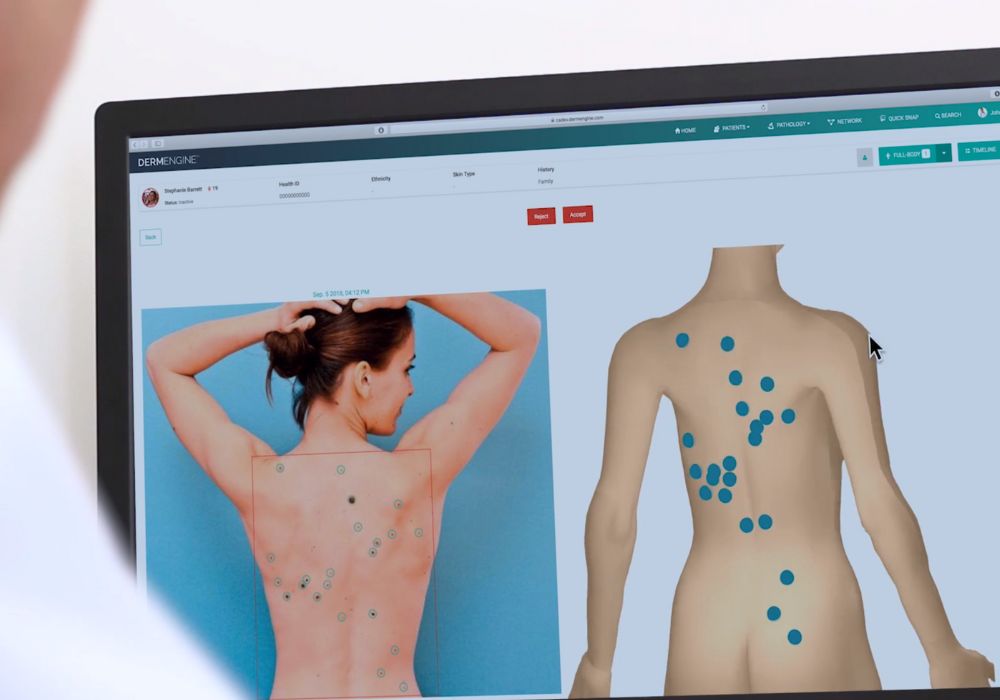
Early detection is key when it comes to preventing and managing skin cancer. Our Mole Mapping service, also known as ‘Total Body Photography’, is designed to help you safely monitor your skin. Using advanced imaging technology, our Mole Mapping service provides a detailed analysis of your skin, tracking moles and other skin features over time. This proactive approach allows you to identify any changes that may require further investigation. Whether you have a family history of skin cancer, numerous moles, or are simply looking to take control of your skin health, our Mole Mapping service offers expert monitoring and peace of mind.
Mole mapping is a non-invasive method of monitoring skin changes, particularly moles and other skin lesions, over time.
The key benefits of Mole Mapping are
Early Detection of Skin Cancer
Mole mapping helps identify changes in existing moles or the appearance of new ones, which can be early signs of melanoma or other skin cancers. Early detection significantly improves treatment outcomes.
Comprehensive Monitoring
High-resolution photographs document the entire body, allowing our clinicians to compare current skin lesions with past images. This systematic approach ensures no areas are overlooked.
Tracking Subtle Changes
Subtle changes in the size, shape or colour of moles may not be noticeable to the naked eye but can be detected through mole mapping. This is particularly useful for individuals with numerous moles.
Reduced Need for Biopsies
By accurately monitoring moles over time, unnecessary surgical removal or biopsy of benign moles can be avoided, reducing patient discomfort and healthcare costs.
Patient Involvement
Patients can use the mole mapping images as a reference to perform self-examinations, increasing awareness and encouraging regular monitoring of their skin.
Personalised Risk Management
Mole mapping is especially beneficial for individuals with a higher risk of melanoma, including those with:
- A personal or family history of skin cancer.
- A large number of moles.
- Atypical moles.
- Fair skin.
- A history of significant sun exposure.
- A history of sunbed use.
Long-Term Record Keeping
Digital mole mapping provides a lasting record of skin changes. These records can be shared with different healthcare providers, facilitating continuity of care.
Peace of Mind
For patients who worry about skin cancer, having a professional and systematic method of tracking moles can provide reassurance and reduce anxiety.
Improved Diagnostic Accuracy
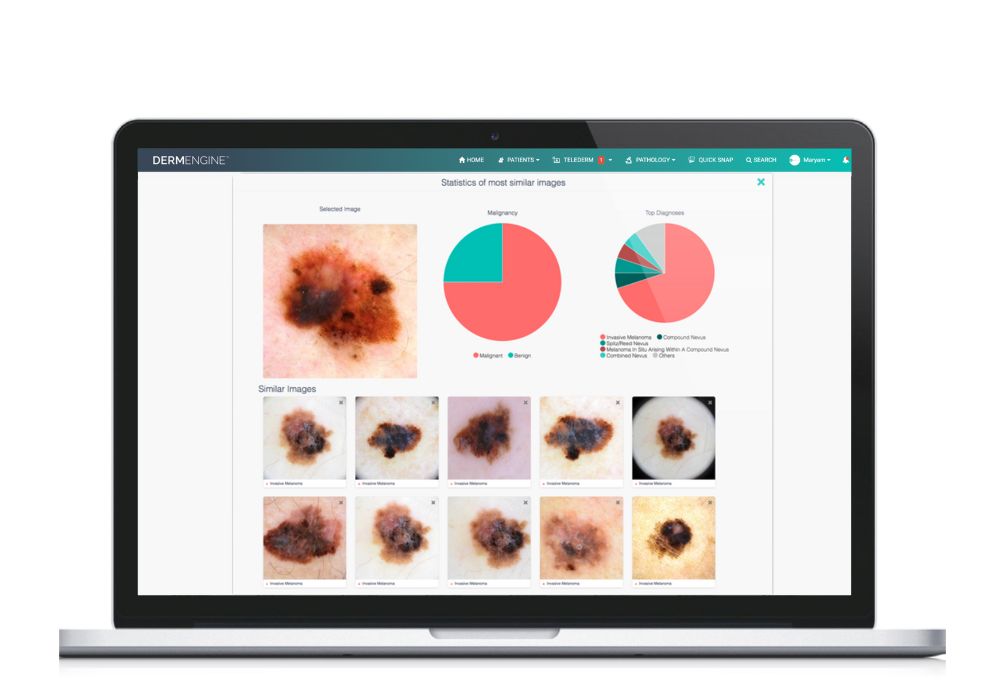
Dermatologists can use mole mapping in conjunction with dermoscopy (looking at moles through a microscope) to improve diagnostic accuracy and differentiate between benign and malignant lesions.
What will happen at my mole mapping appointment?
During your mole mapping (Total Body Photography) appointment, we will take standardised photographs of your body and individual lesions. You will also be examined by a dermatology clinician using a dermatoscope (microscope) to examine individual lesions.
For the photographs you will be required to undress to your underwear, including removing your shoes and socks. The more skin that is exposed for the photographs the more lesions the device is able to image. However, it is very important that we respect your dignity at all times. For female patients, removal of the bra during photographs or clinical assessment is a personal choice and will depend on the number of lesions in this area. Likewise, individual lesions which are covered on the buttocks or in the genital area can be examined if required; although we do not take images in the genital area.
The mole mapping device takes standardised images which requires you to stand in specific poses and positions to ensure that the images are consistent for comparison at your next mole mapping appointment. We will talk you through these movements as the device takes the necessary images.
The whole process of mapping and examination will take approximately half an hour. If there are multiple lesions to image and assess it may take longer.
It is very important that you feel comfortable throughout the mole mapping process, please ask questions before or during your appointment if you are at all unclear or hesitant about anything.

Dermoscopy
Use of a dermatoscope (looking at moles under a microscope) significantly increases the ability of a dermatologist to assess your skin lesions. Subtle changes in lesion structures, such as pigment and vessels can indicate concerning change. Likewise, a lack of such features can provide reassurance.
At The Private Medical Group all mole mapping is undertaken in conjunction with dermoscopy, permformed by a doctor with specialist training in this area. The combination of both mole mapping and dermoscopy by a trained clinician is the best way to keep track of changes in your skin lesions and identify those which may be of concern.
Chaperones
A chaperone will be available during all clinic appointments. They will always be present during procedures,skin surgery and mole mapping.
If you would like to have a chaperone present at any time, please just ask.
Clinic Locations
One Ashford Hospital
Kennington Rd, Willesborough, Ashford TN24 0YS
Spencer Private Hospital
Ramsgate Rd, Margate CT9 4BG
The Foundry Clinic
Moat Sole, Sandwich CT13 9AL
Get In Touch
If you would like to know more or to book an appointment, please contact us and a member of the team will be in touch.